
Introduction to Winter Soup Recipes
As the temperature drops and the days grow shorter, nothing warms the soul quite like a steaming bowl of homemade soup. Winter soup recipes are not just meals; they're a comforting embrace that envelopes you in warmth, both physically and emotionally. Whether it’s a hearty beef stew or a creamy vegetable bisque, these recipes provide nourishment that transcends mere sustenance.
Why Homemade Soup is a Warm Hug in a Bowl
When you take the time to create your own soup from scratch, you’re not just cooking; you’re crafting a moment of joy. The enticing aroma that fills your kitchen can elevate your mood and bring back cherished memories. According to the American Heart Association, a well-balanced soup can be an excellent source of essential nutrients.
Imagine coming home from a cold day, and being greeted by the smell of simmering ingredients. The best part? You control what goes into your bowl, letting you experiment with flavors and textures that speak to your palate. Want a little kick? Add some spices! Prefer a creamy finish? Blend it smooth!
So grab your pot and let’s dive into some of the best winter soup recipes to keep you cozy all season long! For more ideas, check out BBC Good Food for inspiration.
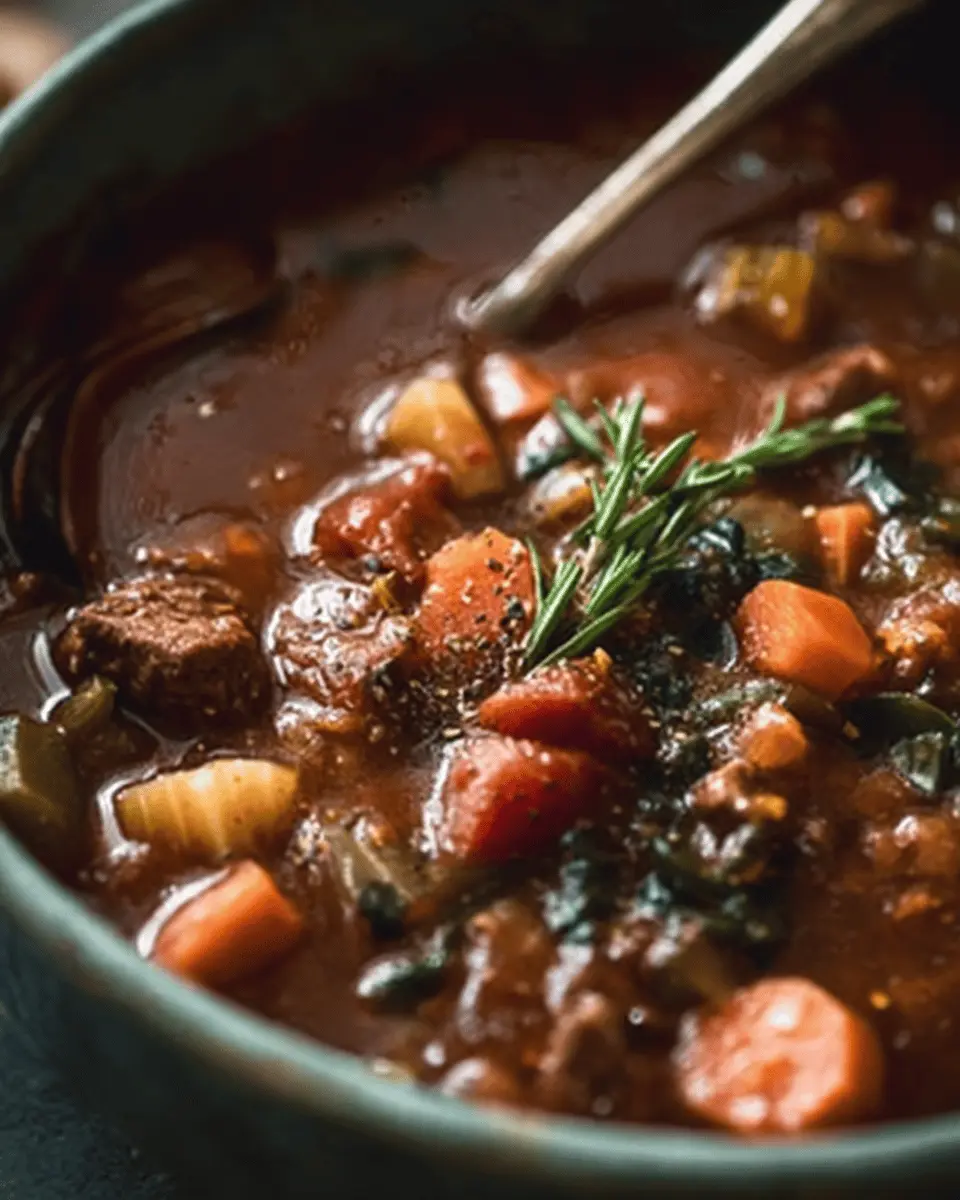
Ingredients for Winter Soup Recipes
Common ingredients for hearty winter soups
When it comes to crafting the ultimate winter soup recipes, certain ingredients are staples that can elevate your dish from good to great. Think root vegetables like carrots, parsnips, and potatoes, which add depth and heartiness. Incorporating proteins such as chicken, beef, or even turkey bacon not only fortifies your soup but also provides satisfying flavor contrasts. Aromatics like onions, garlic, and celery are essential for building a flavorful base. Don't forget herbs like thyme and bay leaves; they infuse your soups with that cozy, winter warmth we all crave.
For a delightful twist, consider using stock or broth instead of plain water. Chicken broth, beef broth, or a rich vegetable broth can make a world of difference in taste!
Specific ingredients list for Beef and Guinness Stew
One standout recipe you might enjoy is Beef and Guinness Stew, a hearty winter classic. Here’s what you’ll need:
- 2 tablespoon olive oil
- 2.5 lb / 1.25 kg beef chuck or any slow-cooking beef
- ¾ teaspoon each salt and black pepper
- 3 garlic cloves, minced
- 2 onions, chopped (brown, white, or yellow)
- 6 oz / 180g turkey bacon, diced
- 3 tablespoon flour
- 440ml / 14.9 oz Guinness Beer (or a non-alcoholic substitute)
- 4 tablespoon tomato paste
- 3 cups (750 ml) chicken stock/broth
- 3 carrots, peeled and cut
- 2 large celery stalks, chopped
- 2 bay leaves
- 3 sprigs thyme (or 1 teaspoon dried thyme leaves)
With these ingredients, you’re well on your way to warming hearts and bellies all winter long! For more inspiration, you might check out this resource on soup ingredients.
Preparing Winter Soup Recipes
When the temperature drops, there's nothing quite like a warm bowl of homemade soup to bring comfort and joy. Preparing your winter soup recipes is a delightful process, and with a few straightforward steps, you'll be savoring hearty flavors in no time! Let’s walk through how to create a delicious winter soup like the mouthwatering Beef and Guinness Stew.
Gather All Ingredients
The first step in crafting any great soup is to gather your ingredients. For our beef stew, you’ll need the following:
- 2 tablespoon olive oil
- 2.5 lb beef chuck (or any other slow-cooking beef)
- ¾ teaspoon salt and black pepper
- 3 minced garlic cloves
- 2 chopped onions (brown, white, or yellow)
- 6 oz turkey bacon, diced
- 3 tablespoon flour
- 440ml Guinness Beer (or a non-alcoholic substitute)
- 4 tablespoon tomato paste
- 3 cups chicken stock
- 3 peeled and chopped carrots
- 2 large celery stalks
- 2 bay leaves
- 3 sprigs thyme
Gather everything ahead of time to make the cooking process seamless.
Sauté Aromatics and Proteins
Once your ingredients are prepped, it’s time to heat things up. In a heavy-based pot, warm the olive oil over high heat. After patting the beef dry and seasoning it with salt and pepper, add it to the pot in batches to brown nicely. This step is crucial as it develops depth in flavor—a tip every chef swears by.
Next, lower the heat to medium. If your pot looks dry, add a bit more oil. Cook the garlic and onions until softened, then stir in the turkey bacon. This not only adds a savory kick but also complements the richness of the beef.
Develop Flavors with Broth and Herbs
Now comes the magic of building flavor. Sprinkle in the flour and mix it in well, cooking for about a minute to eliminate any raw flour taste. Add the stout alongside the chicken stock and tomato paste, making sure everything is well combined. Toss in the bay leaves and thyme and bring the mixture to a gentle simmer.
Simmer to Perfection
Return the browned beef to the pot along with any juices that have accumulated. Your liquid level should just cover the meat. Cover the pot and let it simmer gently for about 2 hours, stirring occasionally. As the beef tenderizes, the kitchen will fill with inviting aromas that signal the warmth of winter.
Final Touches Before Serving
Once your stew is perfectly simmered, taste and adjust the seasoning. You may wish to skim off any fat from the surface for a leaner soup. Don’t forget to remove bay leaves and thyme before serving. For an extra touch of decadence, serve your beef stew with a side of creamy mashed potatoes.
Whether you’re cozying up with a book or enjoying dinner with friends, a hearty bowl of this beef stew will keep you warm all winter long! For more warm recipes, explore variations like vegetable lentil soup for a great meat-free alternative. Happy cooking!

Variations on Winter Soup Recipes
Alternate meats and proteins for stew
Looking to mix up your winter soup recipes? Consider swapping traditional proteins. Instead of beef, try chicken thighs or turkey bacon for a lighter twist. A hearty lamb can also offer a rich flavor, especially in stews. If you're craving seafood, shrimp or cod can work beautifully in a broth-based soup, adding a touch of brightness to those chilly nights.
Vegetarian adaptations for winter soups
Vegetarian winter soups are both hearty and satisfying! Swap out meat for cubes of tofu or chickpeas to maintain protein without sacrificing flavor. Mushrooms can add an earthy depth and umami richness to your winter soup recipes. Don't forget to enrich your bowls with seasonal veggies, like butternut squash and kale, for that extra comfort and nutrition.
For more inspiration, check out the Vegetarian Society and elevate your winter soup game!
Cooking tips and notes for Winter Soup Recipes
Essential tools for soup-making success
To whip up delicious winter soup recipes, having the right tools can make all the difference. Invest in a quality heavy-bottom pot or Dutch oven, which retains heat well and ensures an even cook. A sharp chef’s knife is essential for chopping vegetables effortlessly, while a sturdy wooden spoon and ladle will help you stir and serve with ease. Don't forget measuring cups and spoons for ingredient accuracy!
How to adjust flavors to your liking
Soup is all about balance and personalization. Start by seasoning lightly, then taste as you go. If you fancy a hint of heat, a pinch of cayenne or black pepper can elevate your dish. For a touch of sweetness, try a dash of honey or maple syrup. When experimenting with herbs, fresh is often best, but dried can work wonders too! Remember, the key to winter soup recipes is to make them your own—don’t shy away from trying new combinations!
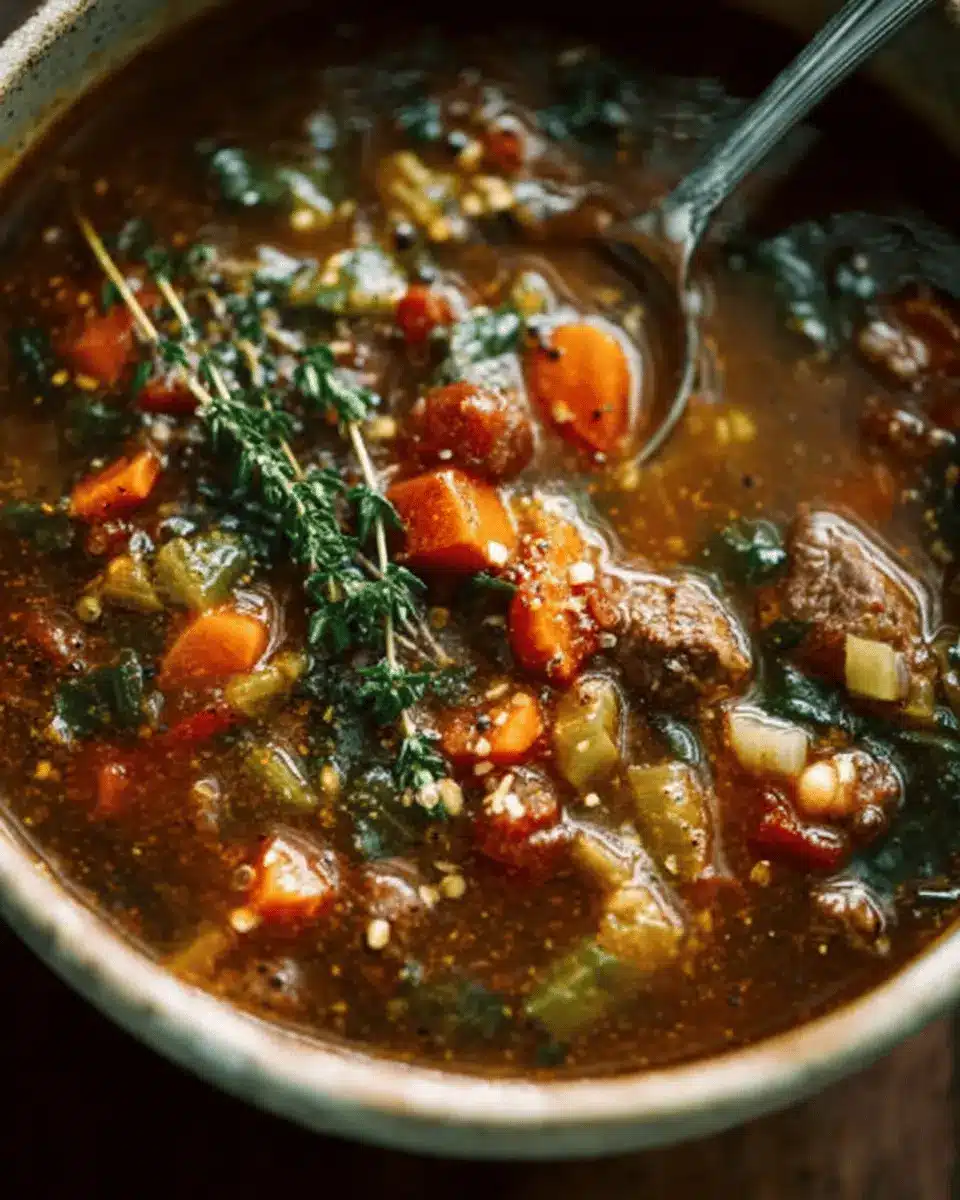
Serving suggestions for Winter Soup Recipes
Perfect pairings to elevate your soup experience
Nothing complements hearty winter soup recipes quite like a crusty loaf of bread. Opt for sourdough or a warm baguette to dip into your soup, enhancing the flavors with each bite. A sprinkle of fresh herbs, like parsley or chives, right before serving can bring a pop of color and freshness. Need something warm? A side of creamy mashed potatoes can transform your meal into a comforting feast. Don't forget a simple side salad with a tangy vinaigrette for a touch of brightness!
Creative serving ideas for special occasions
For that extra touch when hosting, serve your soup in rustic stoneware bowls or hollowed-out bread rolls for a fun presentation. Top with a swirl of heavy cream or a sprinkle of shredded cheese for visual appeal. Offering a selection of toppings, like croutons, shredded turkey bacon, and cheese, allows guests to customize their bowls and adds an interactive element to the dining experience. Create a cozy atmosphere with soft lighting and warm blankets to make it a memorable evening.
Remember, great soup deserves a great setting!
Time Breakdown for Winter Soup Recipes
Preparation Time
Getting everything ready for your winter soup recipes doesn't have to be a chore. For this hearty Beef and Guinness Stew, set aside about 15 minutes to chop vegetables and season your beef.
Cooking Time
Once your ingredients are prepped, the stove does all the heavy lifting. Expect to spend around 2 hours and 30 minutes on cooking—this includes browning the beef, simmering, and letting all those delightful flavors meld together.
Total Time
In total, from prep to serving, you'll be looking at 2 hours and 45 minutes. It's perfect for a lazy winter day, inviting you to savor a warm bowl of homemade goodness.
Winter soup season is all about cozy preparations, rich flavors, and delightful aromas wafting through your kitchen. For more tips on mastering the perfect stew, check out this article on soup-making techniques to elevate your culinary game. Happy cooking!
Nutritional Facts for Winter Soup Recipes
Calories per serving
With a hearty serving of our Beef and Guinness Stew, you’ll be looking at approximately 646 calories. That's a comforting meal that not only warms you up but also keeps hunger at bay during those chilly winter nights.
Protein content
One of the standout features of our winter soup recipes is their impressive protein content. This dish packs in about 72.2 grams of protein per serving, making it an excellent choice for those looking to maintain or build muscle while enjoying a delicious meal.
Sodium levels
While it’s important to watch your sodium intake, our stew contains around 1499 mg per serving. You can easily adjust this by using low-sodium broth. Remember, moderation is key, and plenty of flavor can still be found in your winter soup recipes without overwhelming your palate!
For more guidance on heart-healthy eating, check out resources like the American Heart Association.
FAQs about Winter Soup Recipes
What are the best ingredients for winter soups?
When it comes to crafting delicious winter soup recipes, seasonal ingredients shine. Think hearty vegetables like carrots, parsnips, and potatoes, along with robust proteins such as beef, turkey bacon, or chicken ham. Herbs like thyme and bay leaves add depth, while rich broths create a comforting base. Don't shy away from using grains or legumes to boost nutrition and texture!
How do I store leftover soup?
Storing leftover soup is a breeze! Simply let it cool to room temperature and transfer it to airtight containers. It's best to refrigerate your soup within two hours of cooking. Most soups can last up to 3-4 days in the fridge. Be sure to label containers with the date for easy reference.
Can I freeze homemade soup?
Absolutely! Freezing is a great way to preserve homemade soup for later enjoyment. Allow the soup to cool, then portion it into freezer-safe containers or bags. Most soups freeze well for up to three months. When you’re ready to enjoy it again, simply thaw in the fridge overnight and reheat on the stovetop or microwave. For tips on how to properly freeze your soups, check out resources from The USDA.
With these handy tips, you can make the most of your winter soup recipes and keep cozy all season long!
Conclusion on Winter Soup Recipes
Embrace the warmth and comfort of homemade soups
As the chilly winds blow, it's the perfect time to embrace winter soup recipes that offer both warmth and nourishment. Whether it's a hearty Beef and Guinness Stew or a vibrant vegetable concoction, creating these meals at home not only fills your kitchen with delightful aromas but also nourishes the soul. With every spoonful, you're not just enjoying a meal; you’re crafting comfort that your loved ones will cherish. So, gather your ingredients, unleash your creativity, and let the flavors warm your winter days!

Beef and Guinness Stew
Equipment
- heavy based pot
Ingredients
Oil and Meat
- 2 tablespoon olive oil
- 2.5 lb beef chuck boneless short rib or any other slow cooking beef
- ¾ teaspoon salt
- ¾ teaspoon black pepper
Vegetables
- 3 cloves garlic minced
- 2 medium onions chopped (brown, white or yellow)
- 6 oz bacon diced, speck or pancetta
- 3 cups chicken stock or beef broth
- 3 medium carrots peeled and cut into 1.25 cm thick pieces
- 2 large celery stalks cut into 2 cm pieces
Flavorings
- 3 tablespoon flour all purpose/plain
- 440 ml Guinness Beer
- 4 tablespoon tomato paste
- 2 count bay leaves
- 3 sprigs thyme or sub with 1 teaspoon dried thyme leaves
Instructions
Cooking Steps
- Cut the beef into 5cm chunks. Pat dry then sprinkle with salt and pepper.
- Heat oil in a heavy based pot over high heat. Add beef in batches and brown well all over. Remove onto plate. Repeat with remaining beef.
- Lower heat to medium. If the pot is looking dry, add oil.
- Cook garlic and onion for 3 minutes until softening, then add bacon.
- Cook until bacon is browned, then stir through carrot and celery.
- Add flour, and stir for 1 minute to cook off the flour.
- Add Guinness, chicken broth/stock, and tomato paste. Mix well, add bay leaves and thyme.
- Return beef into the pot (including any juices). Liquid level should just cover.
- Cover, lower heat so it is bubbling gently. Cook for 2 hours.
- Remove lid and simmer for a further 30-45 minutes, or until the beef falls apart.
- Skim off fat on surface, if desired. Adjust salt and pepper to taste. Remove bay leaves and thyme.
- Serve with creamy mashed potatoes!




Leave a Reply