
Introduction to Sauteed Vegetables
Why Sauteed Vegetables are a Game-Changer for Young Professionals
If you’re a busy young professional juggling work, social life, and maybe even a side hustle or two, sauteed vegetables can be your saving grace. Not only are they quick and easy to prepare, but they also transform your meals from mundane to magnificent in just a matter of minutes!
Imagine this: it’s a hectic weeknight, and you’ve got a million things on your mind. You open the fridge and see a colorful selection of vegetables. Instead of opting for takeout, you can whip up a vibrant dish of sauteed vegetables in just 20 minutes. This dish not only provides essential nutrients like vitamins and fiber but also helps keep your energy levels high for whatever comes next.
Plus, the versatility of sauteed vegetables means that you can mix and match whatever you have on hand. Whether you’re craving a medley of broccoli, bell peppers, and mushrooms, or a sweeter combination of zucchini and carrots, the options are endless. And don’t forget the magic touch of butter and garlic for flavor enhancement! If you’re looking for ways to eat healthier without sacrificing taste or time, sauteed vegetables are truly a game-changer.
For a straightforward recipe that’s packed with flavor, check out the full recipe at Wholesome Yum.
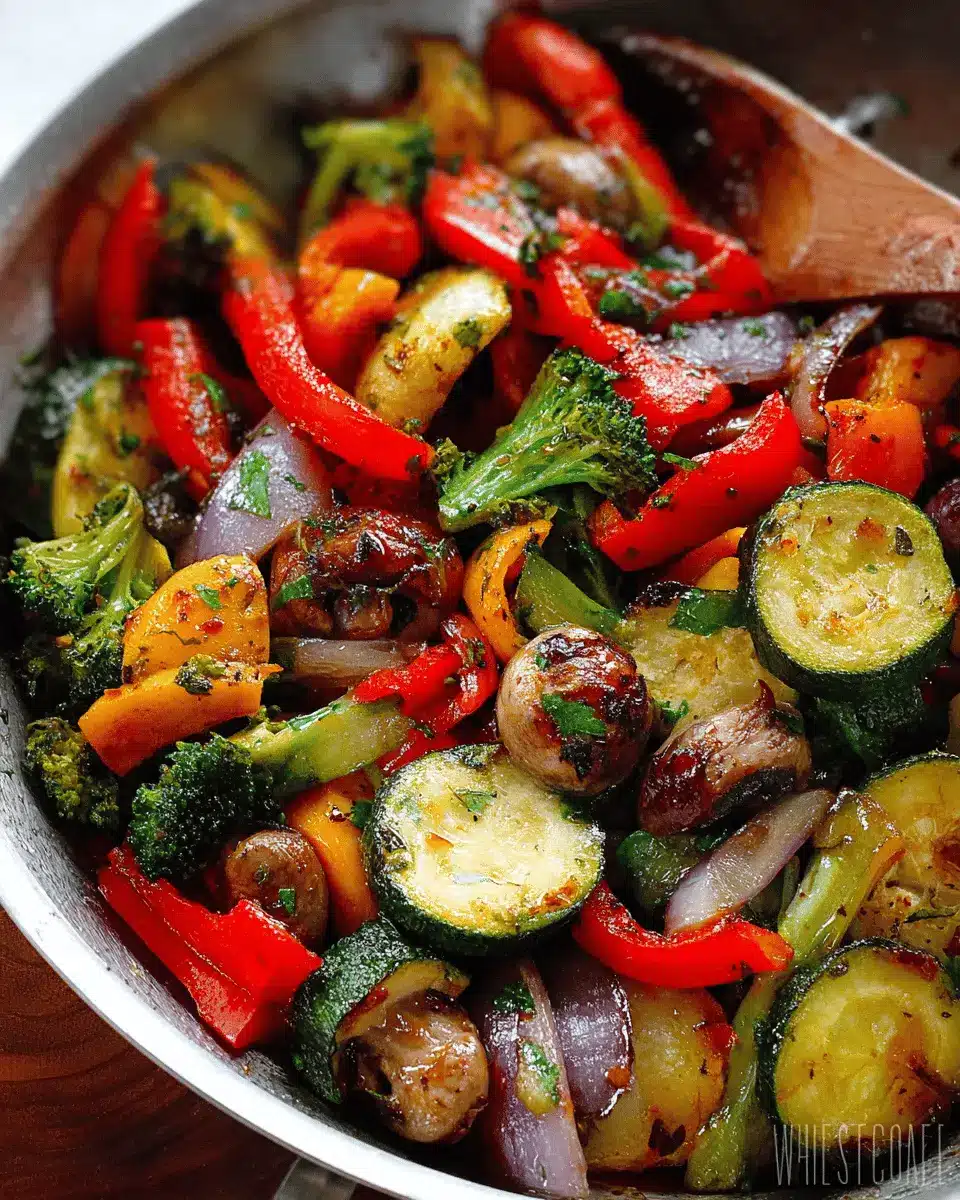
Ingredients for Sauteed Vegetables
Essential Ingredients for Flavorful Sauteed Vegetables
To create the perfect sauteed vegetables, you need a mix of vibrant fresh ingredients. Here’s what to include:
- Olive oil: The base for your sauté, it adds healthy fats and depth of flavor.
- Seasoned vegetables: Red onion, carrots, red bell pepper, broccoli, cauliflower, cremini mushrooms, and zucchini are great choices. These veggies not only look appealing but also provide a range of textures and nutrients.
- Garlic: A couple of minced cloves bring a robust aroma that complements your dish beautifully.
- Unsalted butter: This is the secret ingredient for that rich, buttery flavor that enhances every bite.
- Sea salt and black pepper: Essential for seasoning and elevating the overall taste!
Optional Add-ins to Spice Things Up
Don’t hesitate to get creative! Here are some optional add-ins that can take your sauteed vegetables to the next level:
- Fresh herbs: Try adding thyme, rosemary, or basil for extra flavor.
- Chili flakes: A sprinkle for those who like a bit of heat.
- Nuts or seeds: Toss in some slivered almonds or sunflower seeds for added crunch.
- Soy sauce or balsamic vinegar: A splash of either can enhance the umami and acidity.
Experimenting with these ingredients can truly make your sauteed vegetable dish your own! For more tips and variations, visit Wholesome Yum.
Preparing Sauteed Vegetables
Sauteed vegetables are a quick and delicious way to get your daily serving of veggies. With just a bit of prep and some simple cooking techniques, you can transform fresh produce into a mouthwatering side dish that complements any meal. Let’s dive in!
Gather and Prep Your Vegetables
The first step to making perfect sauteed vegetables is gathering your ingredients. You can use any combination you like, but here’s a handy list to kick things off:
- Red onion
- Carrots
- Red bell pepper
- Broccoli
- Cauliflower
- Cremini mushrooms
- Zucchini
Make sure to wash your vegetables thoroughly and chop them into consistent sizes. This ensures that they cook evenly. For instance, cut your carrots into thin slices and keep your broccoli florets about the same size. If you need inspiration on how to prepare various vegetables, check out the helpful guide on Wholesome Yum's site.
Heat Up That Skillet
With your veggies prepped, it’s time to heat your skillet. Use a large (12-inch) skillet for ample space, and add your olive oil over medium-high heat. Wait until the oil shimmers—this indicates that it’s hot enough. A properly heated skillet will give your veggies that perfect sear and a wonderful caramelization.
Add the Vegetables in Stages
Adding vegetables in stages is key to achieving the right texture. Start with denser vegetables like carrots and onions, cooking them for about 5-7 minutes. After they soften, introduce the bell peppers, broccoli, cauliflower, and mushrooms. Lastly, throw in zucchini for the final 3 minutes, as it cooks quicker. Stir cautiously; constant stirring prevents wonderful browning! This is where you'll really start to notice the enticing aromas filling your kitchen.
Create a Flavor Burst with Garlic and Butter
Once your vegetables are almost done, it’s time to elevate the flavor profile. Push the veggies to the sides of the pan, creating a little space in the center. Add unsalted butter and immediately follow it with minced garlic. Let the garlic saute for about a minute until it's fragrant and slightly golden. This step creates that delectable flavor burst that will make your sauteed vegetables truly irresistible.
Final Touches and Seasoning
Finally, give everything a good stir to blend the garlic and butter with the vegetables. Season with sea salt and black pepper to taste—remember, you can always adjust it later! Consider garnishing with some freshly chopped parsley for color and an extra layer of flavor.
Now you’re ready to serve your beautifully sauteed vegetables! They can easily accompany grilled proteins or act as a delightful centerpiece on your plate. Enjoy!
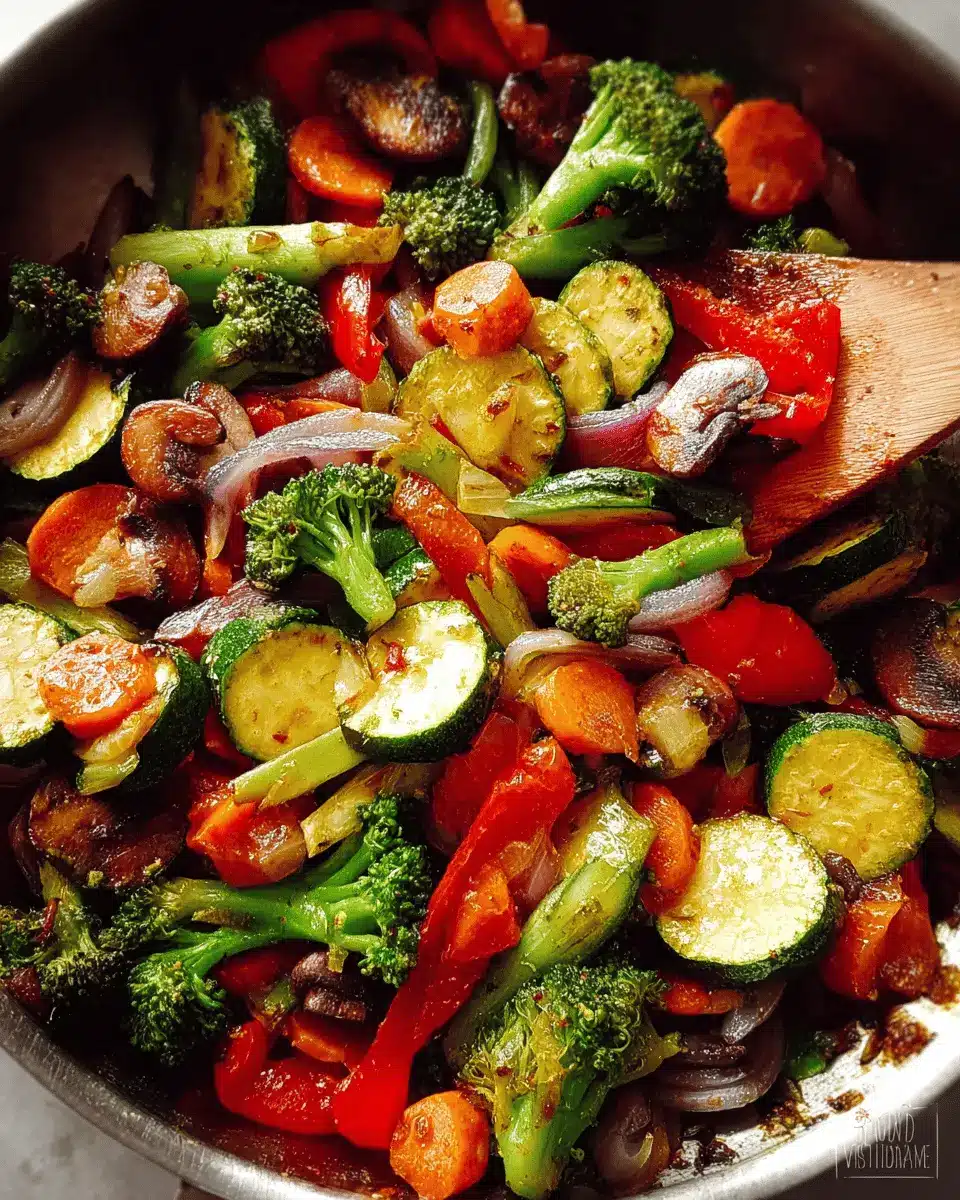
Variations on Sauteed Vegetables
Seasonal Sauteed Vegetables
Take advantage of seasonal produce to give your sauteed vegetables a fresh twist! In spring, consider adding asparagus and sugar snap peas for a crisp bite. Summer calls for vibrant options like zucchini and bell peppers, while fall favorites include squash and Brussels sprouts. In winter, root vegetables like carrots and parsnips shine. Using what's in season not only enhances flavor but also cuts costs and supports local farmers. For tips on sourcing seasonal vegetables, check out LocalHarvest.
Global Flavors: Italian & Asian Variations
Elevate your sauteed vegetables with global flavors! For an Italian flair, toss in some cherry tomatoes, fresh basil, and a sprinkle of parmesan cheese. If you're craving something Asian-inspired, add soy sauce, sesame oil, or a dash of ginger. You can also invite diverse spices like curry powder or harissa to the mix for a delightful kick. Feel free to experiment — the world is your oyster when it comes to sauteed vegetables! For more international recipes, visit The Spruce Eats.
Cooking Notes for Sauteed Vegetables
Pro Tips for Perfect Texture
To achieve the ideal texture for your sauteed vegetables, you'll want to avoid overcrowding your skillet. This allows for better browning and a more vibrant crunch. Cut vegetables uniformly to ensure even cooking, and always start with those that take longer (like carrots and onions) before adding quicker-cooking options like zucchini. Feeling adventurous? Try experimenting with your favorite seasonings or fresh herbs to enhance flavors further.
Common Mistakes to Avoid
One of the biggest pitfalls is stirring too often; this can prevent your veggies from caramelizing properly, resulting in a lackluster flavor. Another common mistake is not letting the pan get hot enough before adding your ingredients, which can lead to steamed rather than sauteed vegetables. Ensure you use a high-quality oil, like olive oil, for a delicious finishing touch.
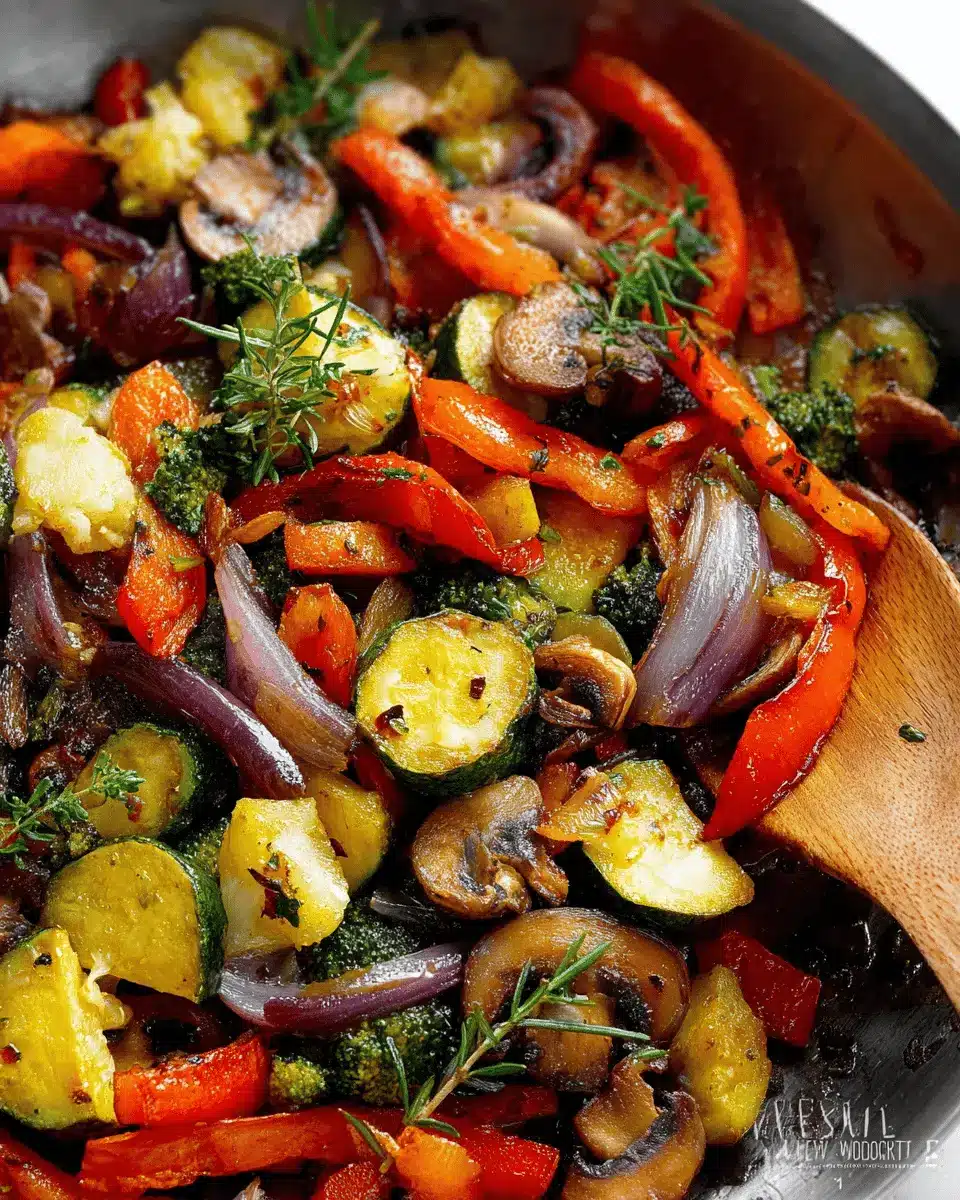
Serving Suggestions for Sauteed Vegetables
Pairing with Proteins
Sauteed vegetables are incredibly versatile and pair well with a variety of proteins. Try tossing them alongside grilled chicken, shrimp, or tofu for a well-rounded meal. For a heartier option, consider adding some sliced turkey bacon or chicken ham to the mix. They bring in a savory depth that complements the freshness of the veggies beautifully!
Utilizing as Sides or Main Dishes
These delicious sauteed vegetables can shine on their own as a main dish. Serve them over a bed of quinoa or brown rice for a filling vegetarian meal. Alternatively, use them as a vibrant side dish to accompany any protein. They can elevate everything from your weeknight dinners to Sunday brunches. Explore more creative ideas like stuffing omelets or wraps with these flavorful veggies!
Time Breakdown for Sauteed Vegetables
Preparation Time
Getting your veggies ready takes just 5 minutes. Simply chop, slice, and dice your favorite vegetables, and you’ll be all set!
Cooking Time
With a cooking time of 15 minutes, you’ll have delicious sauteed vegetables on your plate in no time, making it perfect for busy weeknights.
Total Time
In just 20 minutes, you'll enjoy a colorful and nutritious side or main dish. Quick, easy, and oh-so-tasty! For more cooking tips and to explore variations, be sure to check out resources like Wholesome Yum.
Nutritional Facts for Sauteed Vegetables
When diving into a delicious plate of sauteed vegetables, it's helpful to know what you're fueling your body with. Here’s a quick glance at the nutritional benefits:
Calories
A serving of these vibrant veggies packs about 134 calories. This makes it a great option for a light yet satisfying side dish.
Fat
With 10.4 grams of fat, primarily from olive oil and butter, these sauteed vegetables offer healthy fats that can support heart health when consumed in moderation.
Fiber
Each serving contains around 3 grams of fiber, making these vegetables not just tasty but also beneficial for digestion. Incorporating fiber-rich foods like these can help you feel fuller longer!
Enjoy the plethora of flavors while knowing you’re nourishing your body with every bite! For more details about this recipe, check out Wholesome Yum's insightful resources on nutrition and sauteing techniques for the best results.
FAQs about Sauteed Vegetables
What types of vegetables are best for sautéing?
When it comes to sautéed vegetables, the options are almost endless! Some favorites include:
- Leafy greens: Spinach and kale sauté nicely and wilt down quickly.
- Root vegetables: Think carrots, sweet potatoes, and beets; they add sweetness and heartiness.
- Cruciferous veggies: Broccoli, cauliflower, and Brussels sprouts contribute a satisfying crunch and flavor.
- Peppers and mushrooms: Bell peppers and cremini mushrooms are flavorful and add a lovely texture.
How can I make my sautéed vegetables tastier?
To amp up the flavor of your sautéed vegetables, consider these tips:
- Use fresh herbs: Adding basil, oregano, or thyme can elevate the dish.
- Incorporate citrus: A splash of lemon or lime juice can brighten up the flavors.
- Spices and seasonings: Try adding a pinch of red pepper flakes or smoked paprika for depth.
Can I prepare sautéed vegetables in advance?
Absolutely! You can chop your vegetables ahead of time and store them in airtight containers. For best results, refrigerate them and use within a few days. Alternatively, you can sauté them in advance and reheat, giving a quick stir in a pan to bring them back to life. Just remember, freshly cooked is always delightful!
Conclusion on Sauteed Vegetables
Transform Your Meals with Sauteed Vegetables
Incorporating sauteed vegetables into your meals is a fantastic way to boost nutrition and flavor without extra fuss. Whether as a side dish or a main component, these vibrant veggies are versatile, quick to prepare, and incredibly satisfying. Give this easy recipe a try and enjoy a delicious, healthful addition to your plates!
Sauteed Vegetables (Fast, Easy Recipe)
Equipment
- Large skillet
- cutting board
- knife
Ingredients
Vegetables
- 2 tablespoon Olive oil
- ½ large Red onion cut into 1-inch pieces, layers separated
- 2 medium Carrots sliced thinly
- 1 large Red bell pepper cut into strips
- 1 cup Broccoli cut into medium florets
- 1 cup Cauliflower cut into medium florets
- 1 cup Cremini mushrooms sliced
- 1 medium Zucchini sliced ¼ inch thick
Seasoning
- 2 tablespoon Unsalted butter
- 2 cloves Garlic minced
- ½ teaspoon Sea salt to taste
- ¼ teaspoon Black pepper to taste
- Fresh parsley optional, for garnish
Instructions
Cooking Instructions
- Heat olive oil in a large skillet over medium-high heat, until shimmering.
- Add the carrots and onions. Cook for 5-7 minutes, stirring occasionally until softened.
- Add the bell peppers, broccoli, cauliflower, mushrooms, and zucchini. Cook for 6-8 minutes until the vegetables are just barely crisp tender and starting to brown.
- Reduce heat to medium-low. Push the veggies to the sides of the pan, making an open space in the center. Add the butter and wait for it to melt. Add minced garlic to the butter and sauté for about 1 minute, until fragrant.
- Once garlic is aromatic, stir everything together and remove from heat. Season with salt and pepper to taste.
- Stir gently until the butter is absorbed into the veggies. Garnish with fresh parsley if desired.




Leave a Reply