
Introduction to Thai Mango Sticky Rice
A sweet escape to Thailand with comfort in every bite
Indulging in Thai Mango Sticky Rice feels like taking a little vacation to the bustling streets of Bangkok. The first time I tried this iconic dessert, I was enchanted by the harmony of flavors and textures. Just imagine, a delightful blend of glutinous rice steamed to perfection, luxuriously coated in creamy coconut milk, paired with sweet, ripe mango slices. It's not just dessert; it's pure comfort in a bowl.
This dish is incredibly simple to prepare, making it perfect for both special occasions and casual snacking. The beauty of mango sticky rice lies in its versatility. You can add a twist with toppings like toasted coconut or even ube, a popular purple yam in Southeast Asian cuisine.
As you gather your ingredients, consider exploring the cultural significance of this dessert. According to Food52, Thai Mango Sticky Rice is a beloved staple often enjoyed during the mango season, showcasing the country's bountiful fruits. So whether you're reminiscing about your travels or looking to impress friends, making this dessert at home is your ticket to a sweet escape. Ready to dive into the recipe? Let’s get started!
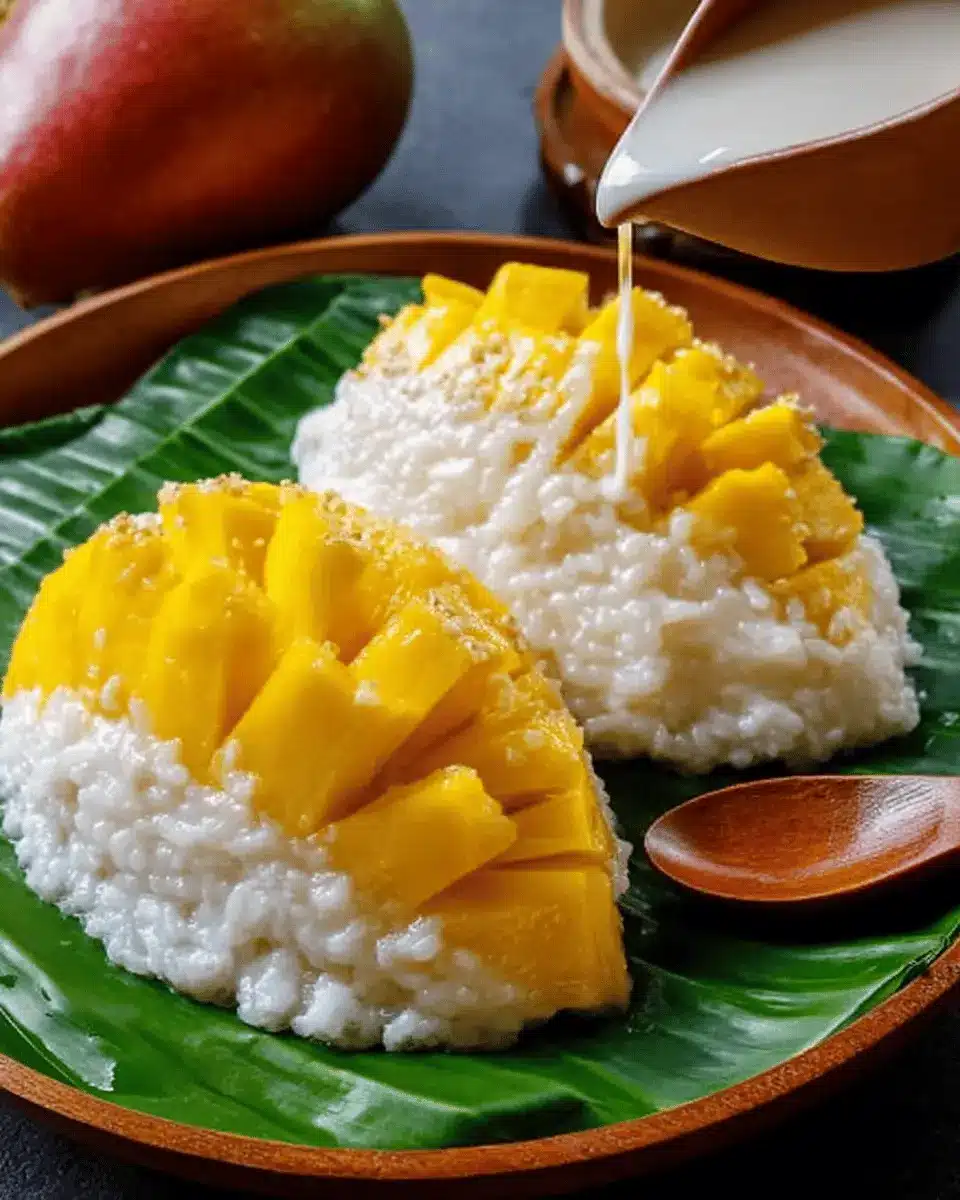
Ingredients for Thai Mango Sticky Rice
Essential ingredients for the coconut rice
To create a decadent base for your Thai mango sticky rice, you need a few key ingredients. Start with 1 cup of dry glutinous rice, soaked overnight for that perfect chewy texture. Pair this with 1 cup of full-fat coconut milk to achieve that creamy richness. You'll also want 3-4 tablespoons of granulated sugar and ½ teaspoon of sea salt—these balance the sweetness and enhance the flavor of the coconut.
Must-have items for the coconut sauce
The coconut sauce is simple yet vital for that luscious finish to your dessert. For this, you’ll need another ½ cup of full-fat coconut milk and about 2-3 tablespoons of granulated sugar, adjusting to your preferred sweetness level. A cornstarch slurry made from 1 teaspoon of cornstarch and 2 teaspoons of room temperature water will help thicken the sauce perfectly.
Preparing your mangoes for the perfect dessert
Ripe mangoes are essential for your Thai mango sticky rice. Choose 2 large ripe mangoes, as they bring a juicy sweetness that complements the sticky rice. When you're ready, peel and slice them into halves, then create quarter-inch thick strips. This not only enhances the dessert's presentation but also makes it easy to enjoy every delicious bite.
Now you're all set to whip up this delightful treat! Ready to make some memories?
Step-by-step preparation of Thai Mango Sticky Rice
Creating the perfect Thai Mango Sticky Rice is a delightful journey that begins with simple steps and culminates in a beautifully plated dessert that’s sure to impress your friends and family. Let’s dive into the preparation process!
Soak the glutinous rice overnight
The first step is crucial for achieving that signature chewy texture. You’ll want to wash one cup of dry glutinous rice thoroughly, rinsing it 3-4 times until the water runs clear. Then, cover the rice with water and leave it to soak overnight for at least 8 to 24 hours. This soaking process is essential as it helps soften the rice, making it easier to cook to perfection.
Steam the rice to perfection
After soaking, drain the rice and place it in a bamboo steamer lined with parchment paper. Steam it for about 20-25 minutes. Keep an eye on the rice; it’s done when it turns slightly translucent but still has a chewy bite. This step is vital for that desired mochi-like quality that pairs so beautifully with the creamy coconut milk.
Create the luscious coconut milk mixture
While your rice is steaming, it’s time to prepare the coconut milk mixture. In a large pan over medium-high heat, combine one cup of full-fat coconut milk, 3-4 tablespoons of granulated sugar, and half a teaspoon of sea salt. Allow it to come to a gentle boil, stirring until the sugar completely dissolves. For an extra twist, consider adding some ube spread or extract at this stage for a unique flavor meld (this is totally optional but delicious!).
Combine rice with coconut goodness
Once your rice is steamed, it’s time to mix everything together! Add the steamed rice into the pan with the coconut mixture and cook it down for about 4 minutes. Stir continuously to ensure the rice absorbs all the creamy coconut goodness. The result should be thick and luscious, ready to cool down for a moment while you prepare the sauce.
Make the coconut sauce
The coconut sauce is where the magic happens! In the same pan (no need to wash it) over medium-high heat, combine half a cup of coconut milk with 2-3 tablespoons of sugar. Stir until boiling, then lower the heat. For that extra silky texture, dissolve one teaspoon of cornstarch in two teaspoons of room temperature water and pour it into the sauce while stirring. This will help thicken the sauce beautifully.
Assemble and plate your mango sticky rice
Now for the fun part: assembling your Thai Mango Sticky Rice. Peel your two large ripe mangoes and slice them into beautiful cheeks, cutting them into strips. Portion the coconut rice onto serving plates, artfully arranging the mango slices next to the rice. Drizzle the warm coconut sauce over the top, and for a finishing touch, sprinkle with toasted coconut if desired. Voilà! Your delicious Thai Mango Sticky Rice is ready to be enjoyed.
This delightful dish is perfect for sharing, and I guarantee it will transport you to the vibrant streets of Bangkok. So, gather your ingredients and give yourself the gift of this iconic dessert—your taste buds will thank you!
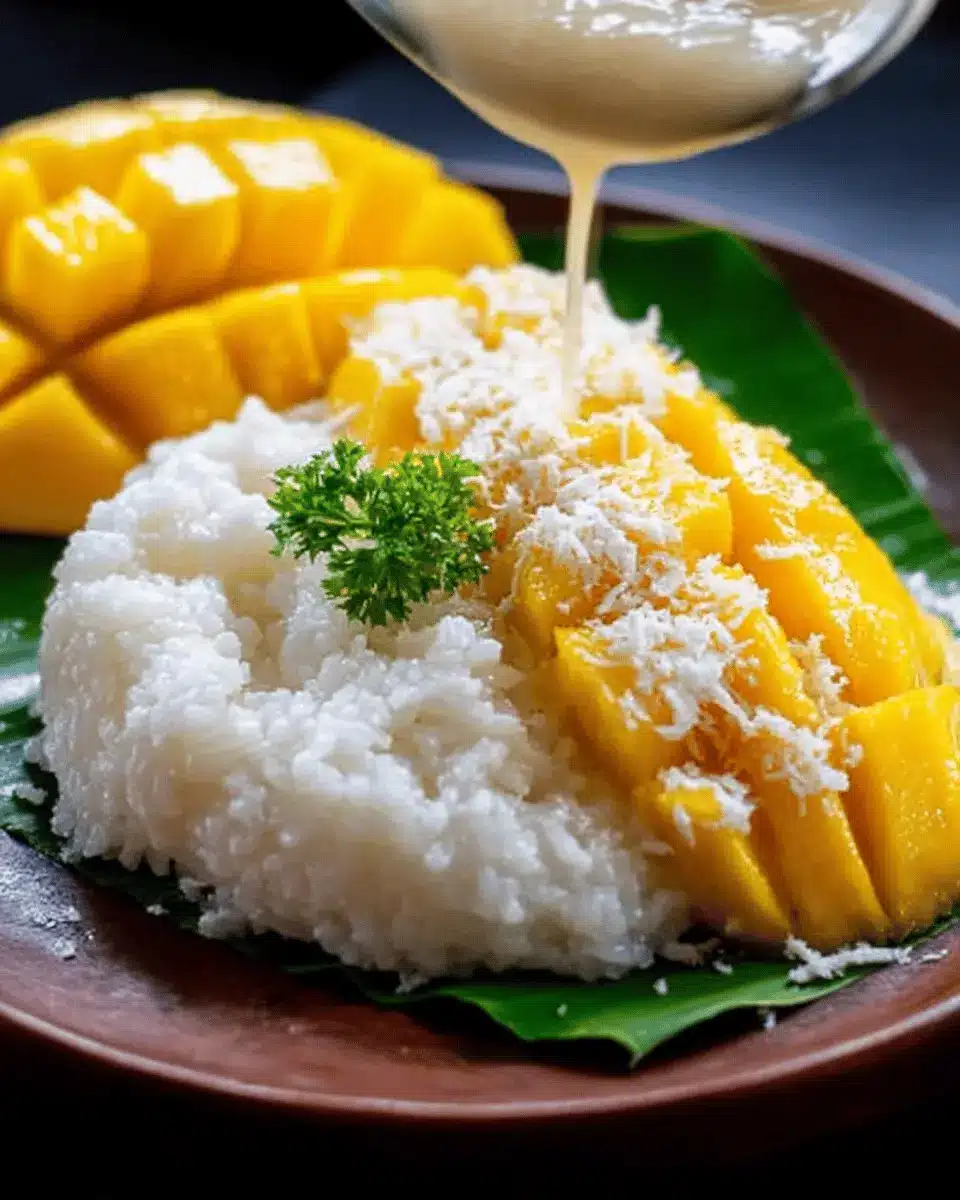
Variations of Thai Mango Sticky Rice
Adding a Twist with Ube Flavor
Why stick to the classic when you can jazz up your Thai mango sticky rice? Infusing ube into the dish not only adds a stunning purple hue but also introduces a rich, sweet flavor profile. By incorporating ube halaya or a few drops of ube extract into your coconut milk mixture, you can create a unique twist that delights the palate. It’s a perfect way to introduce your friends to a vibrant fusion of Filipino and Thai cultures.
Incorporating Other Fruits
Feel free to get creative with your Thai mango sticky rice! While the sweet, juicy mango is the star, other fruits such as ripe bananas, dragon fruit, or even berries can add freshness and an exciting contrast. For instance, topping your sticky rice with fresh strawberries or kiwi can not only enhance the whole look but also balance the sweetness. Next time you whip up this dessert, try mixing in or pairing with your favorite seasonal fruits for a deliciously refreshing twist.
Cooking tips and notes for Thai Mango Sticky Rice
Choosing the right mangoes
When making Thai mango sticky rice, selecting the right mangoes is crucial. Look for ripe, sweet varieties such as Nam Dok Mai or Haden for their fragrant, juicy flesh. They should yield slightly to pressure, indicating ripeness. Avoid any with blemishes or a hard feel—these could be under or overripe.
Ensuring the perfect rice texture
For the ultimate sticky rice experience, soak your glutinous rice overnight. This ensures it's perfectly chewy and tender once steamed. Aim for a texture that's slightly translucent yet firm. Steaming for about 20-25 minutes usually does the trick. If you’re new to cooking glutinous rice, I recommend checking out helpful guides on sites like Serious Eats to master your technique!

Serving Suggestions for Thai Mango Sticky Rice
Eye-catching Plating Ideas
Elevate your Thai mango sticky rice presentation to a feast for the eyes! Try creating a layered look by placing coconut rice and sliced mangoes in a clear glass. You can drizzle some coconut sauce over the top, sprinkle with toasted sesame seeds, and even garnish with fresh mint leaves for a pop of color. Alternatively, serve the rice and mango on a leaf or banana leaf for that authentic Thai street food vibe.
Ideal Accompaniments to Enhance Flavor
To truly enhance the experience of Thai mango sticky rice, consider pairing it with some lightly salted coconut chips or a crunchy roasted nut mix. These add a delightful contrast to the creamy rice and sweet mangoes. For a refreshing twist, a side of chilled coconut water or a homemade pandan-infused iced tea can elevate the tropical flavors. Want something a bit indulgent? Serve it alongside a scoop of coconut sorbet for a creamy, dreamy dessert! Treat yourself and explore more at Serious Eats for additional flavor pairings.
Time Breakdown for Thai Mango Sticky Rice
Preparation Time
To kick things off, you'll need about 10 minutes for preparation. This includes washing the glutinous rice and getting the ingredients ready. It's a quick setup, allowing you to dive into the fun part of cooking soon!
Cooking Time
Once you're all set, the cooking phase takes just 10 minutes. This is when you'll steam the rice and create that delicious coconut sauce that ties your Thai Mango Sticky Rice together perfectly.
Total Time Including Soaking
Keep in mind that the rice needs to soak for at least 1 day. So, while the hands-on time is relatively short, plan ahead for a total of 1 day and 20 minutes for this delightful dessert. Trust me, the wait is worth it for that creamy, flavorful finish!
Want to delve deeper? Check this guide on soaking rice for a few more tips!
Nutritional facts for Thai Mango Sticky Rice
Caloric breakdown per serving
Each serving of Thai Mango Sticky Rice contains approximately 531 calories. This gel of flavors combines the sweetness of ripe mangoes with the rich creaminess of coconut milk, making each bite worth its caloric value.
Key nutritional components
- Carbohydrates: 74g
- Protein: 6g
- Fat: 24g (Saturated Fat: 21g)
- Sugar: 20g
- Fiber: 2g
- Sodium: 407mg
- Potassium: 297mg
This delightful dessert isn’t just indulgent; it also brings some nutritional benefits, including a touch of Vitamin C and essential minerals. Enjoy it in moderation to savor its rich and unique flavors while balancing your nutritional intake!
For further reading on the health benefits of coconut, you can check out Healthline for valuable insights. Remember, having treats occasionally can be a part of a balanced diet!
FAQs about Thai Mango Sticky Rice
Can I make this dessert ahead of time?
Absolutely! You can prepare Thai mango sticky rice a day in advance. Just steam the rice and prepare the coconut sauce the day before. Store each component separately in airtight containers in the fridge. When you're ready to serve, reheat the rice and drizzle on the sauce for a delightful treat.
What if I can't find glutinous rice?
If glutinous rice is hard to come by, don't fret! You can substitute with short-grain rice or even medium-grain rice, as these varieties can yield similar textures. Just keep in mind that the flavor and stickiness might slightly vary, but you’ll still enjoy a delicious dessert.
How can I store leftovers safely?
To store your Thai mango sticky rice, refrigerate any leftovers in an airtight container. Consume them within 1-2 days for the best taste and quality, as coconut milk can spoil. When you reheat, sprinkle a bit of water on the rice and cover it to steam for a soft texture once again. For more tips on storing similar desserts, check out this guide on coconut milk preservation.
Conclusion on Thai Mango Sticky Rice
A delightful homemade dessert for any occasion
In summary, Thai Mango Sticky Rice encapsulates the sweet essence of Thailand in a bowl. This delightful dessert is surprisingly simple to prepare, making it ideal for gatherings or cozy nights at home. The harmonious blend of creamy coconut and fresh mango will surely impress your friends and family alike!
Thai Mango Sticky Rice
Equipment
- Bamboo steamer
- Large pan
- Sauce pourer
Ingredients
Coconut Rice
- 1 cup dry glutinous rice soaked overnight
- 1 cup full fat coconut milk
- 3-4 tablespoon granulated sugar see notes
- ½ teaspoon sea salt
Ube (Optional, see notes)
- 3-4 tablespoon ube halaya or ube spread see notes
- 2-3 drops ube extract optional
Coconut Sauce
- ½ cup full fat coconut milk
- 2-3 tablespoon granulated sugar adjust to desired sweetness
Corn Starch Slurry
- 1 teaspoon corn starch
- 2 teaspoon room temperature water
Mangoes
- 2 large ripe mangoes
- Toasted coconut for topping (optional)
Instructions
Coconut Rice
- Wash the rice 3-4 times to remove the starch or until the water is almost clear. Leave to soak overnight for at least 8-24 hours.
- Afterwards, drain the water from the rice. Place the rice on a bamboo steamer lined with parchment paper.
- Steam for 20-25 minutes or until the rice is cooked, slightly translucent, and still very chewy.
- In a large pan, heat the coconut milk over medium high heat. Add in the sugar and salt. Leave the coconut milk to simmer over medium high heat until it boils. Once it boils, lower heat to medium and continue stirring until the sugar has dissolved.
- Mix in the ube spread and extract (if using) and mix well with the coconut milk. Some chunks of ube are totally fine if these don’t completely dissolve.
- Add in the steamed rice and cook down the rice until it has absorbed the coconut milk and has thickened, around 4 minutes.
- Turn off the heat and leave to cool for 5 minutes.
Coconut Sauce
- In the same pan over medium high heat, add the coconut milk and sugar. Stir in the same direction and cook over medium heat until it boils. Once it boils, lower the heat to medium.
- Dilute the cornstarch with the water.
- While stirring the coconut milk, pour in the cornstarch mixture. Turn off heat and keep stirring until it thickens. Transfer to a sauce pourer or small container until ready to use.
Assembling them
- Peel the mangoes and slice, creating 4 mango halves (or ‘cheeks’). Then slice each cheek into 1⁄4 -inch thick strips.
- Portion the rice and mangoes into 4, then top with toasted sesame seeds. Finish off by drizzling on some of the coconut sauce. These are best enjoyed when freshly made!
Storage tips
- You can refrigerate these overnight if you have leftovers, though they should be consumed within a day or 2 at most because coconut cream can easily go bad.
Reheating
- When you refrigerate the rice it will harden. If you want to enjoy them like they were when freshly made, transfer the rice on a microwave safe container then sprinkle some water on the rice. Cover it and microwave for 30–45 seconds while it cooks in its steam.

Leave a Reply